Commercial Septic Systems in Chattanooga, TN
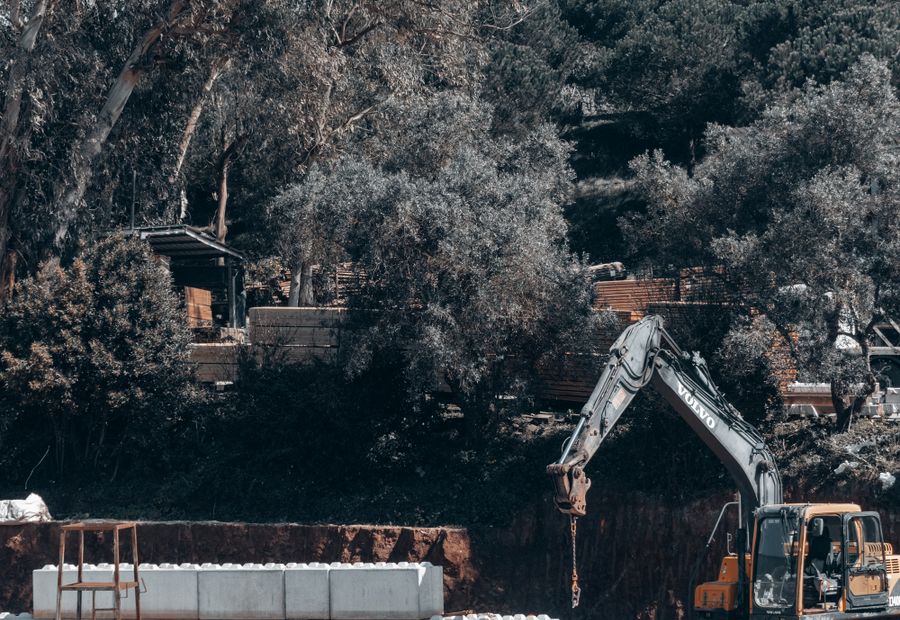
Chattanooga Drain Field Pros is a commercial septic contractor and excavating contractor doing large system installation, absorption field replacement, tank and interceptor work, advanced treatment installs, soil evaluation and design coordination, and repairs. We serve restaurants, churches, campgrounds, cabin resorts, shops, small offices, and rural industrial sites across Chattanooga, Ooltewah, Apison, Birchwood, Georgetown, and Hamilton and Meigs counties, Tennessee.
Commercial work starts from flow rather than from bedrooms, and it scales everything downstream. Bigger tank capacity, larger soil absorption fields, and pressure distribution across a bed that a gravity run could never load evenly. Where flow or ground demands it, an aerobic treatment unit goes ahead of the field, which trades power and a service schedule for cleaner effluent and a smaller footprint. Set that against a house sized system quietly serving a building that outgrew it a decade ago, where the field is being asked for volume it was never designed to accept.
Grease Is the Thing That Ends Commercial Fields
A kitchen sends fats, oils, and grease down the drain all day. A domestic tank holds a grease layer and lets it be. At commercial volume it stops being a layer and starts being a flow, and grease reaching soil seals a trench far faster than anything else on a restaurant site. An interceptor ahead of the tank, pumped on a schedule someone actually keeps, is the whole defense.
The Buildings That Call Us
Restaurants with the grease problem above. Churches with heavy Sunday flow and almost nothing midweek, which is its own loading pattern. Campgrounds and cabin resorts, where occupancy swings hard by season. Shops and offices with modest flow and a paved lot that somebody built over the field twenty years ago. Each of those is a different sizing conversation.
Working Around an Open Business
Nobody closes for a month. We phase the work so part of the system stays live, keep the excavation clear of the entrance and the customer parking, and put the disruptive stages on nights and weekends where the site allows it. The stages that genuinely need a closed window get named in the quote, not discovered on the day.
Building to an Engineer's Design
Past a certain size the drawings come from an engineer and our job is to build them exactly, then get each stage inspected before it is covered. We read the design before the quote and raise the ground problems early: access for the machine, haul routes, spoil storage, and where the reserve area has to be protected from future paving.
Monitoring and Service Agreements
Any system with a pump, a panel, or a treatment unit needs somebody looking at it on a schedule instead of when an alarm sounds during a Saturday dinner rush. We set that up at handover with the panel explained and the intervals written down. Call (423) 555-0125.
How is a commercial system sized?
By measured or estimated daily flow rather than by bedroom count. A restaurant is sized off seats and hours of service. A church is sized off its seating and whether there is a kitchen. A campground is sized off sites and hookups. A shop is sized off employees and whether showers are involved. The number that comes out of that sets the tank capacity and the absorption field area, and it usually surprises owners who were thinking in terms of a house system.
Do I need a grease interceptor?
Any operation with a commercial kitchen does, and it goes ahead of the septic tank rather than instead of it. Grease is the fastest way to end a commercial field. It rides through a tank that was never meant to hold that volume, reaches the soil, and seals the interface far sooner than domestic waste would. The interceptor holds it back, and it only works if it is on a real pumping schedule. Put that schedule in writing with your service company on day one.
Can you work without closing the business?
That is the normal expectation and we plan the job around it. Work gets phased so a functioning part of the system stays in service while another part is rebuilt. Excavation gets staged away from customer parking and entrances, and heavy days go to nights and weekends where the site allows. Some cutovers do need a closed window, usually a short one, and we tell you which stages those are at the quote rather than the morning they happen.
Who writes the design on a commercial job?
An engineer, on anything past a small system, and we build to those drawings. Tennessee also allows a third party water resources engineer to prepare the permit package for submission, which is often the practical route on a larger or complicated site. Our part is the ground: soil work, excavation, tank setting, field construction, and getting each stage inspected before it is covered. Bring us in early enough and we will flag the access and haulage problems while they are still cheap to solve on paper.